- Serving in Celina & Prosper, TX


Telepsychiatry lets you meet with a psychiatric provider over secure video, so you can receive an evaluation, a diagnosis, and ongoing medication management without traveling to an office. Its main benefits are easier access to care, less time away from work and family, steady follow-up, and treatment that stays just as personal as an in-person visit. This article is designed to help adults decide whether virtual psychiatric care fits their life.
Telepsychiatry is psychiatric care delivered through a live video connection. It is one part of the broader field of telehealth, which covers many types of medical visits done remotely.
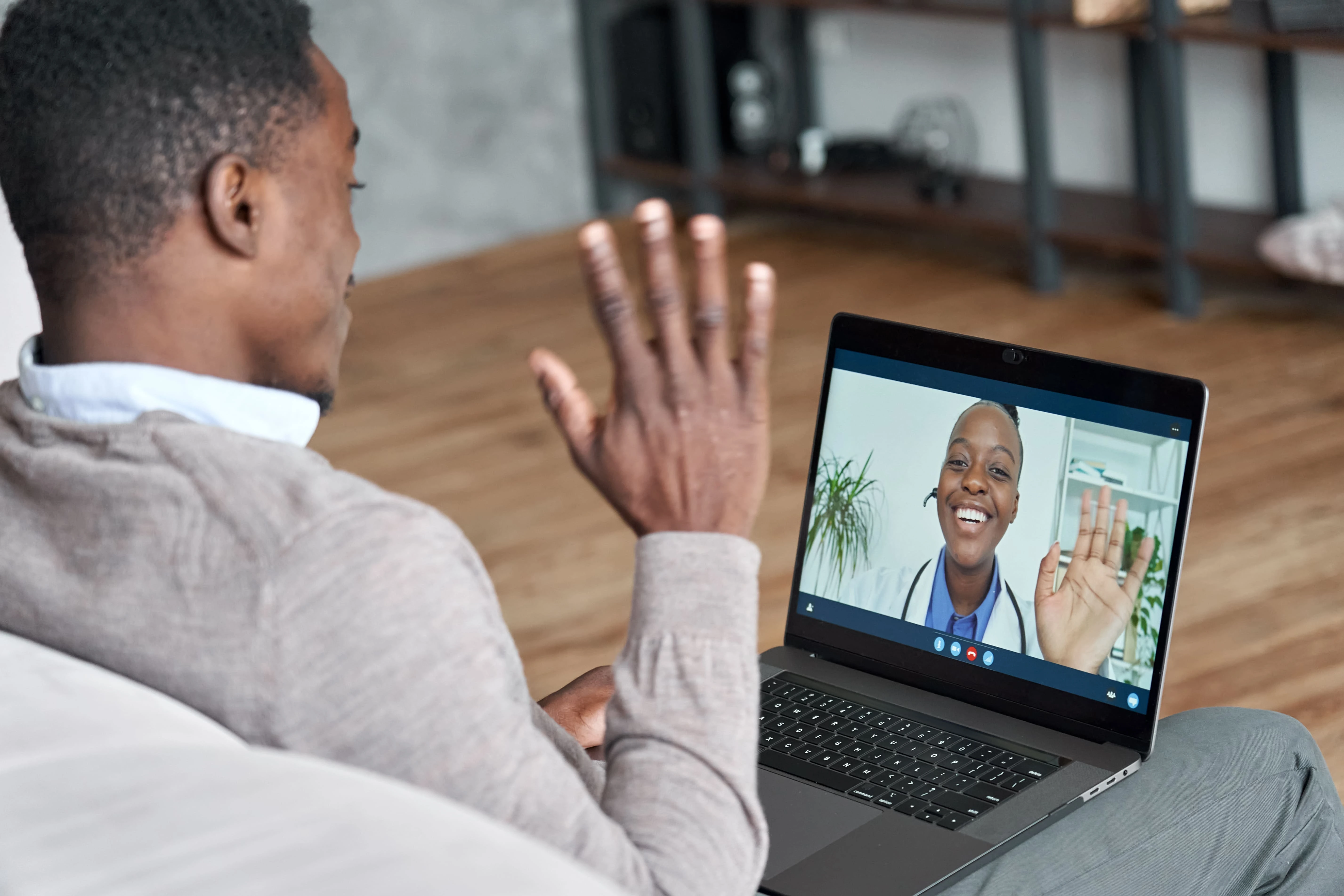
During a telepsychiatry visit, you and your provider see and hear each other in real time. The conversation covers the same ground as an office visit. You talk about your symptoms, your history, and how you are doing day to day. Your provider uses that information to make a diagnosis, recommend treatment, and adjust medications over time.
At our office, these visits are led by Lisandra Lysaith, PMHNP-BC, a Board-Certified Psychiatric Mental Health Nurse Practitioner. She provides the same services online that she provides in person, including a full psychiatric assessment and ongoing medication management.
Telepsychiatry is not a chat app or a recorded program. It is a scheduled appointment with a licensed clinician who knows your history and follows your progress.
A telepsychiatry visit follows a simple pattern. You join a secure video session from a private, quiet space using a phone, tablet, or computer. Your provider joins from her end, and the visit begins much as it would in an exam room.
Your first visit usually centers on a structured evaluation. This reviews your history, current concerns, and daily functioning. The goal is to understand the factors shaping your mental health and to set a clear starting point for care.
After the evaluation, you and your provider build a treatment plan together. For many patients, that plan includes medication. Follow-up visits then focus on how you are responding. You discuss what is working, what side effects you notice, and whether any changes make sense.
Because many parts of psychiatric care involve conversation and careful listening, they translate well to video. Your provider can still watch your expressions, notice changes in your speech or energy, and ask follow-up questions in the moment.
Many adults who would benefit from psychiatric care never start or stop going partway through. Telepsychiatry removes several of the most common barriers.

Travel and traffic. North Texas is growing fast, and drive times can stretch a short appointment into a half-day commitment. Patients in nearby communities can connect with our team without the drive.
Busy schedules. Work, school, and caregiving leave little room for extra trips. A video visit fits into a lunch break or a quiet moment at home.
Symptoms that make leaving home hard. Some conditions make the trip itself a hurdle. Social anxiety can make a waiting room feel overwhelming. Depression can drain the energy needed to get dressed and drive. Panic disorder and PTSD can make unfamiliar spaces stressful. Telepsychiatry lets patients start care from a place where they already feel safe.
Gaps in follow-up. Medication management works with regular check-ins. When visits are easier to attend, fewer of them get skipped, and treatment stays on track.
Yes. For most adults with common mental health conditions, telepsychiatry works as well as in-person care. Diagnosis, treatment planning, and medication follow-up all rely heavily on what a patient shares and what a clinician observes. Both happen clearly over video.
Telepsychiatry has been studied for more than two decades. Research comparing video visits with in-person visits has generally found similar results for conditions such as depression, anxiety, and PTSD. Studies have also found that clinicians reach accurate diagnoses over video and that patients report high satisfaction with virtual care.
There is a practical reason these results hold up. The core tools of psychiatric care are questions, answers, observation, and follow-up. None of these require a shared room. What matters most is the skill of the clinician and the consistency of care.
Our own approach reflects this. We treat telehealth visits with the same level of clinical attention as in-person visits. A virtual appointment is not a lighter version of care. It is the same care, delivered in a different setting.
Each benefit below connects to a real need our patients bring to us. Together, they explain why many adults choose virtual visits for part or all of their care. Benefits of Telepsychiatry, Explained by Our Team highlights these advantages.
Telepsychiatry widens the circle of people who can get help. Patients who live farther from Celina or Prosper, work long hours, or do not drive can still see a psychiatric provider on a regular basis.
Accessibility also means getting care at the right moment. When starting treatment takes less effort, people tend to reach out sooner, before symptoms grow harder to manage.
A video visit removes the drive, the parking, and the waiting room. You can connect from home, a parked car, or a private office at work.
This flexibility matters most for ongoing care. Medication management often involves several follow-ups in the first months of treatment. Fitting those visits into your week is far easier when you do not need to block off travel time on both ends.
Some adults hesitate to seek mental health care because they worry about being seen walking into a psychiatric office. Others feel uneasy in clinical spaces.
Telepsychiatry offers more privacy. Your visit happens in your own space, on your own terms. For many patients, that sense of control makes it easier to speak openly. Honest conversation leads to a clearer picture of what is going on and a plan that fits.
Life changes can interrupt treatment. A new job, a move across town, a busy season at work, or a stretch of illness can all make office visits harder. Telepsychiatry lets care continue through those changes.
Continuity at our office also means you see the same clinician at every appointment. Lisandra Lysaith follows your progress from your first evaluation through each medication adjustment. You do not need to retell your story to someone new. This steady relationship is especially helpful for long-term conditions such as bipolar disorder, where small changes over time can matter.
Telepsychiatry is often described as a path to round-the-clock care. It is important to be clear about what scheduled telehealth can and cannot do.
Our telehealth visits are planned appointments for evaluation and ongoing treatment. They are not a crisis service. If you are in danger or thinking about harming yourself, call 911 or call or text 988 to reach the Suicide and Crisis Lifeline. Both are available at any hour.
What telepsychiatry does offer is faster contact during the normal course of care. If a medication causes side effects or symptoms shift, a virtual follow-up can often address the concern sooner than waiting for an in-person opening. Quick check-ins like these can help keep small problems from becoming larger ones.
Telepsychiatry can lower many of the hidden costs of getting care. Patients spend less on gas and parking. Many avoid taking a full or half day off work. Parents may not need extra childcare to attend a visit.
Time is a cost too. Removing the commute gives back hours each month, especially during the early phase of treatment when follow-ups are more frequent. Those savings make it easier to stay with a plan long enough to see results.
Virtual care does not mean generic care. Our team builds each treatment plan around the individual patient rather than using a one-size-fits-all approach.
That process starts with a thorough evaluation and continues through every follow-up. When it helps guide treatment, your plan may include GeneSight testing, a pharmacogenetic tool that analyzes how your body may process certain psychiatric medications. This information can support more informed medication choices.
Telepsychiatry also gives your provider a window into your real environment. Seeing you at home can sometimes reveal useful details about sleep habits, daily routines, or stressors that might not come up in an office.
Quality in psychiatric care comes from careful listening, sound clinical decisions, and consistent follow-up. All three carry over to video.
Our telehealth visits use secure connections to protect your privacy. Each visit gets the same clinical attention as an in-person appointment. You receive clear explanations of your diagnosis and treatment, and you have room to ask questions and take part in decisions about your care.
Telepsychiatry at our office supports patients with a wide range of conditions we treat, including anxiety, depression, ADHD, OCD, PTSD, insomnia, and more.
Telepsychiatry is a strong option for many adults, but it is not right for every person or every situation. Knowing the limits helps you choose well.

Technology. A video visit needs a stable internet connection and a working device. Dropped calls or poor audio can interrupt the flow of a conversation. Testing your connection ahead of time helps.
Privacy at home. Some patients share a home with family or roommates and find it hard to speak freely. A parked car or a closed room at work can be a good alternative.
Clinical needs. Some situations call for an in-person visit. Certain symptoms may be easier to assess face to face. A crisis or a need for close monitoring requires a higher level of care than a scheduled video visit can provide.
Personal preference. Some people simply connect better in the same room. That preference is valid.
Because we offer both in-person and telehealth appointments, patients do not have to pick one format forever. Many people mix the two, starting in person and moving to video for follow-ups, or the reverse. Your provider can help you decide what fits your needs at each stage.
Across the country, many hospitals, clinics, and long-term care settings use telepsychiatry to reach psychiatric providers they could not otherwise staff. This model helps facilities offer mental health evaluations without long waits for an on-site specialist.
Our team focuses on a different use. We provide telepsychiatry directly to individual adults who want a consistent relationship with one clinician. This keeps care personal. Each patient works with the same provider, who knows their history and follows their progress over time.
For patients who already see other clinicians, telepsychiatry also makes it easier to fit psychiatric care into a broader health routine without adding more trips to an already full calendar.
Starting telepsychiatry with our team begins with a conversation about what brought you in. Your first visit focuses on a full psychiatric assessment. Your provider reviews your history, current symptoms, and daily functioning to understand the full picture.
From there, you and your provider build a plan together. That plan may include medication, GeneSight testing when it would help guide choices, and a schedule of follow-up visits. You leave your first visit with a clear understanding of your diagnosis, your treatment options, and the next steps.
Follow-up visits focus on how you are doing. You talk through your response to treatment, any side effects, and changes in your symptoms. Your plan adjusts as you progress.
We are accepting new adult patients, and no consultation fee is required to get started. Whether you prefer video visits, office visits, or a mix of both, our goal is to make psychiatric care steady and easy to navigate.
Telepsychiatry gives adults secure, effective access to psychiatric evaluation and medication management without the barriers of travel and tight schedules. It supports privacy, steady follow-up, and personalized treatment while keeping the same level of clinical attention as an in-person visit. It also has limits, which is why we offer both formats. We hope Benefits of Telepsychiatry, Explained by Our Team helps you decide whether virtual care is the right fit for your next step.